

India is home to countless spiritual festivals but few are as unique and mysterious as the Ambubachi Mela. Celebrated at the revered Kamakhya Temple in Guwahati, Assam, this annual festival honors the creative power of nature and the divine feminine.
Every year thousands of devotees, spiritual seekers, ascetics and travelers gather on the Nilachal Hills to witness one of the most fascinating traditions in Hindu spirituality. Unlike most religious festivals, Ambubachi Mela revolves around the belief that Goddess Kamakhya undergoes her annual menstrual cycle, symbolizing fertility, creation and the eternal rhythm of life.
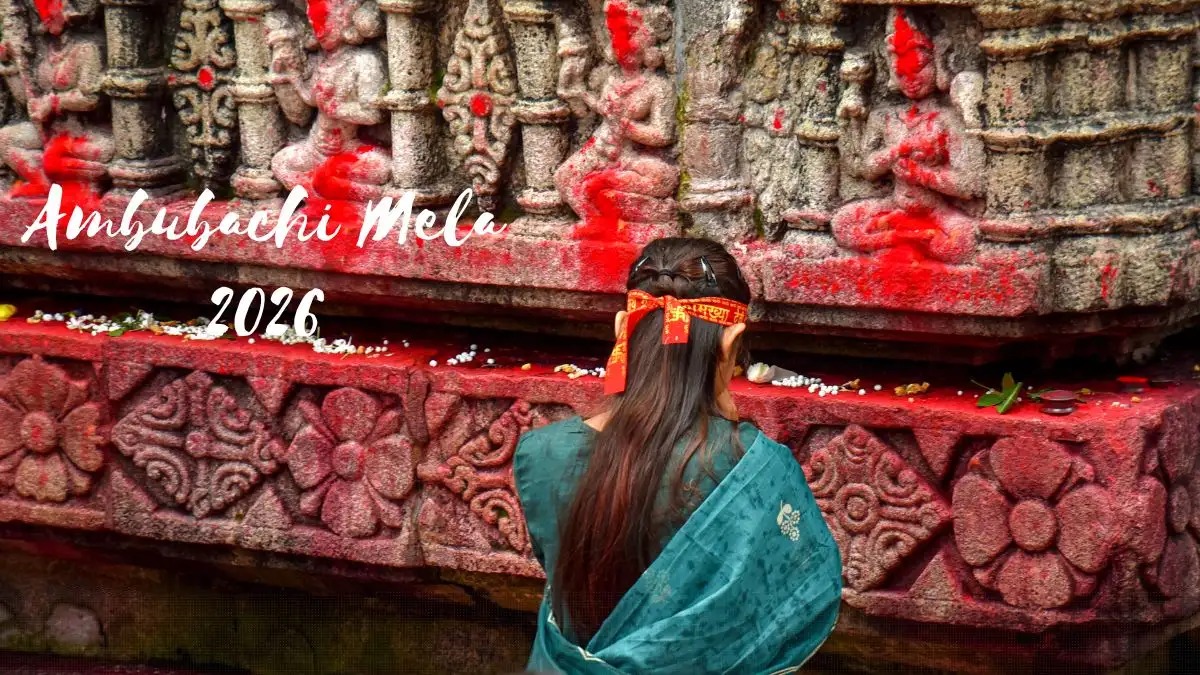
What is Ambubachi Mela?
Ambubachi Mela is one of the most important festivals associated with Goddess Kamakhya, one of the most revered forms of Shakti. The festival celebrates the fertility of Mother Earth and recognizes the feminine power that sustains creation.
During these sacred days devotees believe that the Goddess enters a period of rest and renewal. This belief transforms the festival into a powerful reminder of the importance of nature, womanhood and the cycle of life itself.
Why is Kamakhya Temple So Important?
Kamakhya Temple is among the most significant Shakti Peethas in India. According to Hindu mythology, it marks the place where the yoni of Goddess Sati fell after Lord Vishnu used his Sudarshan Chakra to dismember her body.
Unlike most temples where the deity is worshipped in idol form, Kamakhya is worshipped through a natural rock formation symbolizing the divine feminine energy. This makes the temple one of the most unique spiritual destinations in the country and a major center of Tantric traditions.
Why Does Kamakhya Temple Remain Closed During Ambubachi Mela?
One of the most intriguing aspects of Ambubachi Mela is the closure of the temple for three consecutive days.
According to tradition, these days represent the annual menstruation period of Goddess Kamakhya. As the Goddess is believed to be resting, regular worship and public darshan are suspended. The temple remains closed to devotees while special rituals are performed by temple priests.
On the fourth day the Goddess is ceremonially bathed and the temple doors are reopened. This reopening marks a moment of immense spiritual significance and attracts thousands of pilgrims seeking blessings.
Why Are These Four Days Considered So Sacred?
The four days of Ambubachi Mela symbolize renewal, transformation and divine energy. Spiritual practitioners consider this period highly powerful for meditation and inner awakening.
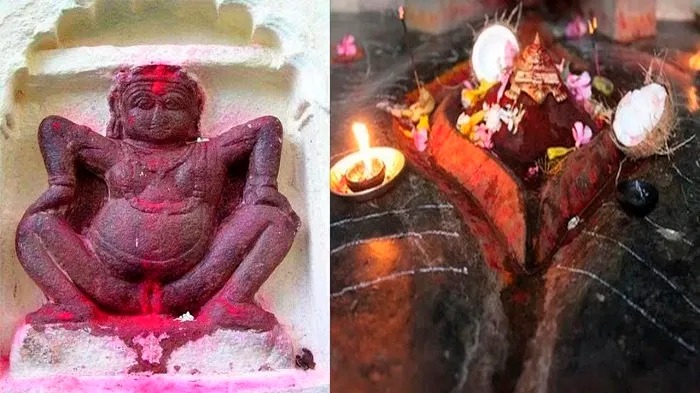
The first three days are associated with the Goddess’s retreat and rejuvenation while the fourth day signifies rebirth and the restoration of cosmic energy. For devotees, these days represent the sacred connection between nature, creation and spirituality.
The Mystery of the Brahmaputra River’s Red Waters
One of the most talked-about legends associated with Ambubachi Mela is the belief that the waters of the Brahmaputra River turn red during the festival.
Many devotees see this phenomenon as a symbolic reflection of the Goddess’s menstrual cycle and a manifestation of her divine presence. This belief has been passed down through generations and continues to fascinate pilgrims and visitors.
From a scientific perspective, experts suggest that the reddish appearance may be influenced by monsoon runoff, mineral-rich soil and sediments carried into the river during the rainy season. Regardless of the explanation, the phenomenon remains one of the most captivating aspects of the festival.
The Sacred Red Cloth and Its Significance
After the temple reopens, devotees receive a sacred red cloth known as Rakta Bastra. This cloth is considered a symbol of the Goddess’s blessings and divine energy.
Many devotees preserve it in their homes, believing it brings protection, prosperity and spiritual well-being. For countless pilgrims, receiving this sacred offering is one of the most meaningful experiences of the festival.
What Happens During Ambubachi Mela?
Ambubachi Mela transforms Kamakhya into a vibrant center of spirituality and devotion. Saints, Tantric practitioners, pilgrims and travelers from across India gather to participate in the celebrations.
The atmosphere becomes a unique blend of faith, ritual and cultural tradition. Spiritual discourses, devotional gatherings and sacred ceremonies create an experience that is both deeply personal and profoundly communal.
The reopening of the temple on the fourth day is especially significant, drawing massive crowds eager to receive the blessings of Maa Kamakhya.
Frequently Asked Questions
What is Ambubachi Mela?
Ambubachi Mela is an annual festival at Kamakhya Temple that celebrates the fertility and creative power of the Goddess.
Why is Kamakhya Temple closed during Ambubachi Mela?
The temple remains closed because the Goddess is believed to undergo her annual menstrual cycle and enters a period of rest.
Does the Brahmaputra River really turn red?
Devotees associate the red waters with the Goddess’s divine energy while scientific explanations point to natural environmental factors.
What is Rakta Bastra?
Rakta Bastra is the sacred red cloth distributed after the temple reopens and is considered a powerful blessing from the Goddess.
Where is Kamakhya Temple located?
Kamakhya Temple is located on Nilachal Hill in Guwahati, Assam.
Ambubachi Mela is far more than a religious gathering. It is a celebration of feminine energy, creation, renewal and the sacred bond between humanity and nature. The mystery surrounding the Kamakhya Temple, the legend of the Brahmaputra River and the deep spiritual significance of the four sacred days continue to draw millions of devotees and curious travelers alike.
For anyone interested in India’s spiritual heritage, Ambubachi Mela offers a rare glimpse into a tradition where faith, nature and divine power come together in a truly extraordinary way.
Explore More with Us
Love discovering hidden legends, sacred traditions, mysterious temples and untold stories from India’s spiritual heritage?
Follow Explore Indian Trails for more fascinating stories, forgotten histories, pilgrimage guides and cultural mysteries that continue to shape India’s timeless legacy.